PUBLIC INQUIRY INTENSIFIES OVER ELJAMEL SCANDAL

eljamel

Scrutiny over health board governance has intensified as the independent Eljamel Inquiry proceeds with evidential hearings in Edinburgh, bringing NHS Tayside’s leadership and clinical oversight under renewed focus.

The inquiry, chaired by Lord Weir, is examining the systemic failures surrounding former consultant neurosurgeon Sam Eljamel, who left dozens of patients with life-altering injuries and disabilities following surgical procedures at Ninewells Hospital.

Leadership Under Scrutiny

The Inquiry’s timetable includes evidence from senior health board executives—including NHS Tayside Chief Executive Nicky Connor—focusing on historical complaint handling, clinical governance, and executive oversight.

A key area of concern for patient advocates remains the destruction of approximately 40 operating theatre logbooks, which patient groups argue contained crucial historical evidence. While an independent review found system failures rather than malicious intent behind the document loss, Chief Executive Nicky Connor acknowledged the gravity of the oversight, stating she took “full accountability” for the missing records.

Decades of Harm Under Review

Eljamel practiced at Ninewells Hospital between 1995 and his suspension in 2013. Former patients and their families, who campaigned for years for a judge-led public inquiry, have consistently highlighted delays and breakdowns in how early alarms were handled.

Alongside the public inquiry, the Independent Clinical Review (ICR)—chaired by Professor Stephen Wigmore—is reviewing hundreds of individual patient files to assess the extent of clinical harm and feed findings directly into the public inquiry.

Next Steps

Evidential hearings are scheduled to continue over the coming months, featuring testimony from former patients, clinical staff, NHS Tayside representatives, and officials from the General Medical Council and Scottish Government.

Image by Sasin Tipchai from Pixabay

Folic Acid in UK Flour: The Hidden Health Risks

Folic Acid

The UK government has decided that non-wholemeal wheat flour must be added with folic acid (a synthetic form of Vitamin B9). The main goal is a good one: to prevent birth defects like spina bifida in developing babies, especially during early or unplanned pregnancies.

However, adding a nutrient to a basic food that almost everyone eats every day has raised real concerns among doctors, nutritionists, and consumer groups. Here is why many believe “blanket fortification” comes with trade-offs.

1. It Can Mask a Serious Vitamin B12 Deficiency

Folic acid helps make healthy red blood cells, but so does Vitamin B12.

When someone lacks Vitamin B12, the first clear sign is usually anemia (feeling tired and pale). High amounts of folic acid can cure the anemia, hiding the problem. Meanwhile, the untreated B12 deficiency continues to cause quiet, permanent damage to nerves and brain health.

This is a big risk for older adults and vegans, who are naturally at higher risk for low B12 levels.

2. Our Livers Handle Folic Acid Slowly

There is a key difference between natural food folate and synthetic folic acid:

  • Natural Folate (in spinach, beans, and broccoli) is easily processed by your digestive system.
  • Folic Acid (the artificial version in flour and pills) must be converted by the liver.

The human liver is slow at this conversion. If you eat fortified bread, cereals, and take vitamins, synthetic folic acid can “spill over” into your blood untouched. Scientists aren’t yet fully sure what long-term buildup of unprocessed folic acid does to the immune system.

3. The “Fuel for Cells” Dilemma

Folate is vital because it helps cells grow and divide. That can be a double-edged sword:

  • In healthy cells: It helps keep your DNA healthy and prevents cancer from starting.
  • In pre-cancerous cells: If a person already has hidden, microscopic polyps or early-stage tumor cells (common in older age), extra synthetic folic acid might accidentally give those bad cells the fuel they need to grow faster.

4. One Size Doesn’t Fit All Genes

Up to 40% of people in the UK carry a common gene variation (known as MTHFR) that makes their body much slower at turning synthetic folic acid into its active form.

For these individuals, synthetic folic acid builds up in the body even faster, meaning a single policy for the whole population doesn’t work the same way for everyone’s biology.

5. Medical Ethics and Personal Choice

Beyond health, there is an ethical question: Should an entire nation be given medicine through their food?

  • No Choice: When a staple ingredient like flour is fortified, opting out becomes difficult and expensive, forcing people to buy specialty foods.
  • A Quick Fix: Critics argue that fortification acts as a band-aid over poor diets, instead of making fresh, naturally rich foods like vegetables and beans cheaper and more accessible.

The Bottom Line

Folic acid saves lives and prevents serious birth defects. But while the benefit is targeted at expectant mothers, everyone—from toddlers to grandfathers—will consume it daily. Finding the balance between public protection and individual health risks remains a fierce debate.

Image by congerdesign from Pixabay

Genealogy: tracing your family history

Genealogy

Genealogy: tracing your family history

Genealogy is a fascinating and rewarding hobby and tracing your family tree has become easier in recent years with many websites offering access to records from across the world.

Genealogy: the journey begins

I recently discovered that my Great Grand parents were natives of the village of Lochee which is now part of Dundee City, to help readers find out more about thier family history the following advice should be enough to get you started and help you trace some fascinating ancestors you knew little or nothing about. you may also encounter some skeletons in the cupboard which makes this pastime even more enjoyable.

Building Your Family Tree

Most families can lay their hands on documents or photographs, which can be of use to you, examples of things are:Birth, marriage or death certificates, obituaries, family bibles, school leaving certificates, apprenticeship papers, university certificates, military records, immigration papers and diaries, following is a list of resources I’ve used in compiling My Own Family Tree.

National Records for Scotland

National Records of Scotland (NRS) is a Non-Ministerial Department of the Scottish Government. Our purpose is to collect, preserve and produce information about Scotland’s people and history and make it available to inform current and future generations.

We were established on 1 April 2011, following the merger of the General Register Office for Scotland (GROS) and the National Archives of Scotland (NAS). For administrative purposes we sit within the Scottish Government’s Constitution and External Affairs portfolio.

Free genealogy resources

The most widely used free genealogical recourse are The Jesus Christ Church of latter day saints who hold extensive records which users can search on-line at http://www.familysearch.org

Dundee Recovery Month 2026: Free Community Events & Workshops Across the City

Dundee Recovery Month 2026

Communities, charities, and support services across Dundee have joined forces this September to mark Dundee Recovery Month 2026 — a city-wide celebration of hope, resilience, and recovery. Throughout the month, dozens of free workshops, creative sessions, health walks, drop-ins, and special events will take place at venues across the city, open to everyone with no tickets or booking fees required.

Dundee Recovery Month 2026 is coordinated by TSI Dundee (formerly DVVA) in partnership with the Dundee Alcohol & Drug Partnership (ADP), bringing together more than 20 local organisations, including NHS Tayside, Hillcrest Futures, With You, Penumbra, and Tayside Council on Alcohol. The aim is simple: challenge stigma, showcase local support, and highlight that recovery is possible — in all its many forms.


📅 Dundee Recovery Month 2026 — What’s On

The programme runs from Tuesday 1 September through to Sunday 30 September 2026, kicking off alongside International Overdose Awareness Day and finishing with a vibrant finale celebration. Here’s what you can look forward to:

🧑🤝🧑 Drop-In & Peer Support Events

  • Community Recovery Cafés — warm, friendly spaces to connect, share, and chat with peers and support workers. Held at multiple venues across the city on weekdays throughout September.
  • Information & Advice Open Days — meet local services, ask questions, and find out about free support available in Dundee. No appointment needed.

🚶 Health & Wellbeing Walks

  • Weekly Recovery Walk-and-Talks — gentle guided walks around Dundee’s green spaces, combining light exercise with peer support. Suitable for all abilities; just turn up with comfortable shoes.

🎨 Creative & Therapeutic Workshops

  • Creativity in Recovery — art, writing, and craft sessions designed to help express journeys through creativity. Materials provided free of charge.
  • Wellbeing & Mindfulness Workshops — practical sessions covering coping skills, building motivation, managing emotions, and mindfulness techniques.
  • Recovery Storytelling — hear lived experience stories and share your own journey in a safe, respectful space.

🎉 Festival of Hope — Month Finale

Friday 27 September — the flagship Festival of Hope brings the month to a close with a celebration of recovery in Dundee. Features include:

  • 🖼️ Creativity in Recovery Art Exhibition — showcasing work created throughout the month
  • 🗣️ Guest speakers and lived experience voices
  • 📋 Information stalls from every major local support service
  • 🎶 Live entertainment, music, and performances
  • ☕ Free refreshments for all attendees

“Recovery Month is an annual reminder for us to come together to build relationships, foster hope and kindness within Dundee and celebrate people’s recovery journeys.”

— Dundee Alcohol & Drug Partnership (ADP)


📍 Venues & How to Attend

Events take place at community centres, libraries, health hubs, and public spaces across Dundee — including city centre, Lochee, Hilltown, Menzieshill, and Ardler locations.

✅ All events are FREE

✅ Most require no booking — just turn up

✅ Open to all ages (some workshops may be 16+; check details)

✅ Full programme with dates, times and exact venues:

👉 Download the full PDF timetable: dundeeadp.co.uk/news


📞 Local Support — Available All Year Round

Recovery Month is also a chance to remind everyone that help is available every day of the year:

Table

ServiceContact
Hope Point Dundee (24/7 helpline)Call 0800 955 0008 / Text 01382 604123
DDARS (Dundee Drug & Alcohol Recovery Service)01382 632542
NHS 24Dial 111 (free from landline & mobile)

💬 What They’re Saying

Councillor Nadia El-Nakla, Dundee City Council spokesperson, said:

“Being in recovery is an ongoing journey. It takes courage, determination and often the support of others. The organisations involved in Dundee Recovery Month 2026 work hard to create a welcoming and supportive community — and this month is a chance to celebrate that together.”

A spokesperson for TSI Dundee added:

“Whether you’re on a journey yourself, supporting someone who is, or simply want to learn more — you are welcome. Come along, bring a friend, and help us build a kinder, more recovery-friendly Dundee.”


ℹ️ About Dundee Recovery Month

  • Organisers: TSI Dundee + Dundee ADP
  • Partners: Dundee City Council, NHS Tayside, Hillcrest Futures, With You, Penumbra, Tayside Council on Alcohol, and local peer recovery groups
  • Full programme & updates: Visit dundeeadp.co.uk/news or follow @TSIDundee and @DundeeADP on social media
  • for further information about Dundee Recovery Month 2026 please visit our dedicated communities page

Linlathen East Bridge: A Hidden Gem in Dundee

Linlathen East Bridge

Linlathen East Bridge is one of those humble but fascinating traces of Dundee’s industrial past. Often overlooked by locals and tourists alike, this fragile yet lovely bridge holds a tale of 19th-century engineering, philanthropy, and the transformation of Dundee’s rural landscape.

Where is Linlathen East Bridge?

Linlathen is a quiet area that sits upon the Dighty Burn, a small river which meanders its course through the landscape of Angus before merging with the River Tay. Today, the greater part of Linlathen has been engulfed by the encroaching suburbs of Dundee, but the original estate grounds, wood walks, and remnants of estate buildings maintain its rural nature. Linlathen East Bridge spans the Dighty Burn in these same woods, giving a peaceful vantage point among trees, bird song, and quiet flowing water.

The bridge is close to the A92 and can be accessed along local footpaths, which contributes to its popularity with walkers and history enthusiasts visiting the area. It is also close to the Linlathen Viaduct and the remains of Linlathen House, the residence of one of Scotland’s more progressive Victorian thinkers.

Historical Context
Linlathen East Bridge was built early in the 19th century, likely in the 1820s or 1830s, during a time of profound social and industrial turmoil in Scotland. It was built as part of John Muir (1776–1858)’s Linlathen estate, a Scottish landowner, lawyer, and philanthropist who shared deeply Christian values and reforming principles.

Muir was a powerful voice in demanding improvements in conditions for the working class, and the Linlathen estate functioned on the principles of an imitation-social experiment. He supported Sunday schools, decent working-class housing, and humane treatment of the poor—concepts that were revolutionary at the time. The East Bridge completed an important link in the internal road and path system of the estate, connecting the house, arable land, and social spaces.

While the bridge itself was not part of any major industrial transport system, it was constructed with finesse and care to the specifics of its build, revealing the engineering talent and ethical thought of the era. It was conceived not just as a functional crossing, but as a durable, lovely, and well-balanced edifice in the overall landscape of the estate.

Architectural Features
Linlathen East Bridge is a fine representation of Scottish early 19th-century stone bridge design. Built using local stone, the single beautiful arch across the Dighty Burn is supported by parapet walls and beautifully cut voussoirs (wedge-shaped stones) forming the arch. The craftsmanship lies in the neat masonry and the way the bridge blends with the surrounding woods.

Small though it is, the bridge shows the older values of strength, durability, and compatibility with nature. The materials and the construction show an age before the general adoption of iron and steel to construct bridges, when stone masonry dominated. The result is a bridge that has endured barely two centuries and still carries pedestrians and bears silent testimony to the caliber of its craftsmen.

Cultural and Social Significance
Its engineering importance is seconded by its place in the liberal philosophy of the Linlathen estate. John Muir’s reputation, though lost today, played a crucial role in determining local thinking towards community planning and social welfare. He threw open his doors to writers, divines, and philosophers like Thomas Erskine of Linlathen, a religious philosopher whose ideas were debated in whispers along the Dighty Burn.

Here, Linlathen East Bridge is not merely a footbridge; it is a symbol of an era when landscapes were designed with moral purpose, when infrastructure was in the aid of a vision of social and moral improvement. It is a statement of a rare synthesis of engineering, philosophy, and landscape architecture.

Present Day and Preservation
Now, Linlathen East Bridge fulfills no role in connection to some great estate once contiguous with it. Linlathen House was lost in the 20th century, and most of the terrain surrounding it has been overbuilt with housing and public parkland. Nonetheless, the bridge remains intact and in use, unobtrusively holding a place in the local geography.

As a result of local heritage and conservation interest, the bridge has been given the status of a structure of historic importance. Although not thoroughly restored, the bridge is relatively well-preserved and at times is draped in local heritage walks and community history projects.

There is growing significance attached to such small historic details—not only for their architectural and aesthetic qualities but also for their role in helping to define communities’ ties to their heritage. In an era when so many are searching for significance in local heritage and history, Linlathen East Bridge stands as a silent testament to those values and vision which once shaped the Scottish landscape.

A Bridge to the Past
Linlathen East Bridge has no sweeping towers or massive spans, maybe, but it possesses something of greater value—a link to a thoughtful past, when proprietors like John Muir hoped for a better world to come through gentleness, neighborliness, and prudent care of the world about them. To walk along today, with leaves shutting above and the Dighty Burn below, one can almost hear the conversation and tread that once rang along its cobblestoned path.

In its simplicity lies its beauty. In its strength lies its history. And for those who want to find it, Linlathen East Bridge is a place where history, philosophy, and nature come together.

Letter from the Editor

About Dundee Messenger

Letter from the Editor: A fresh start for the paper — and for me.

After some time away, I’ve decided to come out of retirement to return to the newsroom — and with that return comes a fresh look at what this publication should be.

Letter from the Editor is my way of saying thank you — and welcome to our fresh start.

As we move into this new era, we’re saying goodbye to a couple of old favourites that, while they were huge successes once, no longer meet the needs and interests of today’s readers. Letting go of those familiar elements of the paper is never easy, but to be relevant and compelling again, we must make space for new thinking, new voices, and new energy.

Most notably, the Gardening section will no longer appear in the publication. But it’s not disappearing entirely — it’s moving online at good-garden.co.uk where it will continue to grow with new articles, advice, and seasonal tips.

This isn’t about forgetting the past — it’s about building on it. I’m excited to bring renewed focus to community stories, local voices, and meaningful content that speaks to the times we are living in now.

I’m grateful to be back and look forward to shaping a publication that’s sharper, more vibrant, and firmly rooted in the present.

What’s changing — and what stays

You’ll notice a fresher, sharper tone in the pages ahead. We’ll be focusing more deeply on what matters most to Dundee: the people, places, and stories that make this city so special. Every neighbourhood, every community group, every local business — they all have a voice worth hearing, and we intend to amplify it.

Some familiar features may have shifted or stepped aside, but our heart remains exactly where it has always been: right here, serving you, our readers. If you have a story to share, a concern to raise, or something to celebrate in your part of the city — please, get in touch. This is your publication as much as it is ours.

Here’s to a fresh chapter, a new beginning, and to Dundee — past, present, and future.

A Fresh Chapter for Dundee

As we move forward, you’ll notice a sharper focus on what truly matters to our city: the stories, voices, and events that shape life right here in Dundee. We want to shine a light on the people who make our communities thrive — the volunteers, the creators, the business owners, and the neighbours who make this city so special.

If you have a story to share, an event to promote, or something worth celebrating in your neighbourhood, please reach out. This publication is yours as much as it is ours. Together, let’s build something fresh, something proud, and something truly Dundee.

Here’s to new beginnings — and to the next chapter.

— William Shand

Dundee Projects Secure Scotland Beyond Net Zero Funding

net zero

Two University of Dundee projects have been awarded seed funding through Scotland Beyond Net Zero (SBNZ) — a national programme connecting university researchers with policymakers, public organisations, and local communities. The SBNZ Seed Fund supports work that goes further than standard net zero targets, also addressing climate justice, nature recovery and biodiversity, and how communities can thrive in a sustainable future.

Both successful projects are joint partnerships with the University of St Andrews.


🟢 Blending Finance for Nature Restoration

Lead researchers: Professor Colin Dey (University of Dundee) and Dr Shona Russell (University of St Andrews)

Working alongside Bioregioning Tayside in the River Isla area, this project will look at how public, private, and charitable funding sources can be combined to support ecological restoration and strengthen community wellbeing. The team aims to develop approaches that are both environmentally beneficial and socially fair.


🟢 Community Resilience Through Open-Source Communications

Lead researchers: Dr Martin Skelly (Duncan of Jordanstone College of Art & Design, Dundee) and Dr Loraine Clarke (University of St Andrews)

Partnering with communities in Meigle and Ardler, this project will test and develop independent communication networks built on open-source technology. Designed to keep working during floods, power cuts, or mobile network failures, these systems will help local areas stay connected and better prepared for climate-related disruption.


🗣️ Project Leaders Welcome the Awards

Professor Lorraine van Blerk, Vice Principal for Research and Innovation at the University of Dundee, said:

“We are very pleased to see our researchers’ work supported by Scotland Beyond Net Zero. This is a fantastic opportunity to collaborate across Scottish institutions on vital issues — helping communities build resilience and shaping better policy for the future.”


ℹ️ About Scotland Beyond Net Zero

SBNZ brings together Scottish universities to pool research expertise and develop solutions that go beyond basic net zero goals. Its work is organised around six key themes: Built Environment, Energy, Finance, Food, Natural Systems, and Transport.

The Seed Fund provides grants of up to £15,000 per project, shared between collaborating university partners. Now in its third year, the 2026 round supports more projects across more institutions than ever before.

Professor Chris Pearce, Vice Principal at the University of Glasgow and Chair of the SBNZ Governing Board, commented:

“This year we have expanded our investment and reach. These projects show the breadth and quality of sustainability research across Scotland. We look forward to seeing real, lasting benefits for both communities and the environment.”

Future of Dundee Airport Hanging in the Balance Following Loganair Exit

Dundee Airport

Dundee Airport’s future hangs in the balance as Dundee City Council and aviation leaders seek urgent solutions following Scotland’s regional airline confirming it will end all local operations this autumn, leaving the city without commercial passenger flights.

Loganair will officially close its Dundee Airport operating base on October 23, 2026. The decision brings a end to the direct Public Service Obligation (PSO) route to London Heathrow—a service that has connected the city to the UK capital since 2014.

Alongside the London route, island connections to Kirkwall (Orkney) and Sumburgh (Shetland) will also cease.

Economic Strain & Sustainable Operations

The airline cited escalating operational costs, issues securing regional aircraft parts, and the financial unsustainability of the government-backed PSO contract as key reasons for the departure.

A spokesperson for Loganair confirmed that extensive reviews were conducted to find a viable path forward before taking the decision to withdraw.

  • Job Impacts: At least 16 direct Loganair jobs in Dundee are affected, with wider implications for airport operational, security, and fire services.
  • Regional Links: The loss severs a key direct route used by business travelers, academics, and tourists accessing the Tayside region.

What Lies Ahead for Dundee Airport?

While the departure marks the end of scheduled passenger services for the time being, the tarmac at Riverside Drive will remain active. The airport will continue operating to support:

  1. General Aviation & Private Charters: Servicing high-end golf tourism and private travel bound for St Andrews and Angus.
  2. Emergency & Lifeline Services: Operating as a hub for air ambulance and medical transfer flights.
  3. Flight Training: Supporting ongoing pilot training operations on the Tay.

Dundee City Council and regional transport partners have confirmed they are actively exploring alternative options with government stakeholders to secure long-term air connectivity for the city.

Lochee Community Cafe Closes Amid Safety Concerns

Lochee community cafe

The Lochee Community Café on Whorterbank has taken the difficult decision to temporarily close its community cafe space following a disturbing rise in serious antisocial behavior in and around the premises. Organisers reported that over several months, volunteers, staff, and neighboring residents faced unacceptable incidents, including drug use and suspected dealing, intimidation, violence, and targeted racist abuse.

Lochee Community Cafe

While the warm and welcoming social space has had to shut its doors to safeguard the well-being of its unpaid volunteers and visitors, the vital Community Larder remains open to assist local households with food access and essentials. Charity representatives are working closely with Police Scotland, local authorities, and community safety wardens to review security and put stronger measures in place before considering a future reopening of the cafe facilities. Local councillors and support networks have rallied around the larder operations, emphasizing how crucial the food-support service remains for the wider Lochee community, even as efforts are made to transition parts of the premises into secure meeting spaces for community groups.

“Local third-sector reporting and charity alerts on this site are compiled using media briefs, public data, and press releases sourced via Third Force News and the Scottish Council for Voluntary Organisations.” .

Threat to Dundee Botanic Garden Triggers Community Outcry.

Dundee Botanic Garden

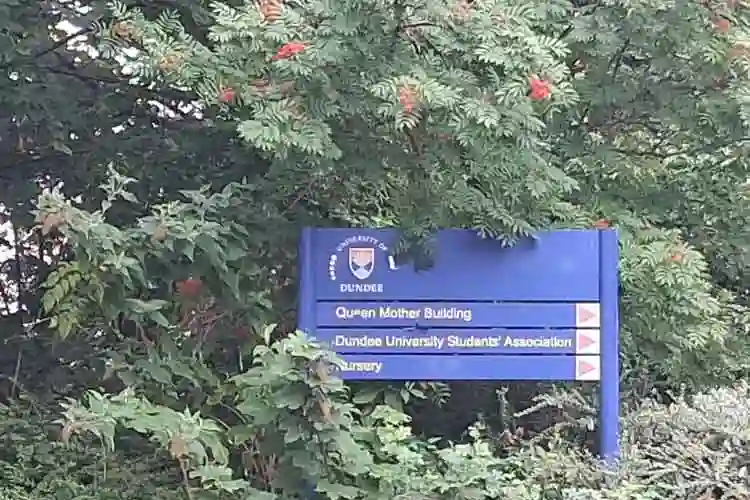
DUNDEE — The future of the University of Dundee Botanic Garden hangs in the balance following news that the institution plans to cease operating the 9.5-hectare site on Riverside Drive as part of sweeping cost-cutting measures.

The proposal forms part of a strategy by the university to save £20 million annually amidst severe financial challenges and job losses across campus. While the university indicated it intends to withdraw from running the site by July 2027, the potential loss of the 55-year-old green space has drawn sharp criticism from residents, horticulturists, and local politicians.

Public Support for Dundee Botanic Garden

A public petition calling on the university and local leaders to save Dundee Botanic Garden and its café quickly gathered over 21,000 signatures. Supporters have described the garden as a vital educational, scientific, and community asset.

The site hosts rare and threatened plant collections, serves as an educational hub, and features the world’s first Covid-19 memorial, the Tree of Tranquility. Former staff, prominent horticultural groups, and government ministers have all voiced concern over losing the living scientific resource.

  • Community-Led Takeovers: Establishing a local trust or non-profit structure to manage operations at Dundee botanic garden independently of university funding.
  • Commercial Partnerships: Partnering with external leisure or horticultural operators to maintain both the gardens and the popular café.
  • Government & Stakeholder Engagement: Seeking support from national bodies and the Scottish Funding Council to facilitate a sustainable transition.

“It’s a wonderful place of genuine peace… to lose it would be a chipping away of the culture of Dundee.”

— Extract from community petition

Search for Alternative Solutions

The Scottish Government confirmed it is monitoring discussions, noting that while the university operates independently, ministers are keen to see a sustainable resolution for the site.

The university maintains that it remains open to dialogue regarding alternative operating structures before its planned exit date. Community organizers plan to host further public updates as proposals develop over the coming months.