PUBLIC INQUIRY INTENSIFIES OVER ELJAMEL SCANDAL

eljamel

Scrutiny over health board governance has intensified as the independent Eljamel Inquiry proceeds with evidential hearings in Edinburgh, bringing NHS Tayside’s leadership and clinical oversight under renewed focus.

The inquiry, chaired by Lord Weir, is examining the systemic failures surrounding former consultant neurosurgeon Sam Eljamel, who left dozens of patients with life-altering injuries and disabilities following surgical procedures at Ninewells Hospital.

Leadership Under Scrutiny

The Inquiry’s timetable includes evidence from senior health board executives—including NHS Tayside Chief Executive Nicky Connor—focusing on historical complaint handling, clinical governance, and executive oversight.

A key area of concern for patient advocates remains the destruction of approximately 40 operating theatre logbooks, which patient groups argue contained crucial historical evidence. While an independent review found system failures rather than malicious intent behind the document loss, Chief Executive Nicky Connor acknowledged the gravity of the oversight, stating she took “full accountability” for the missing records.

Decades of Harm Under Review

Eljamel practiced at Ninewells Hospital between 1995 and his suspension in 2013. Former patients and their families, who campaigned for years for a judge-led public inquiry, have consistently highlighted delays and breakdowns in how early alarms were handled.

Alongside the public inquiry, the Independent Clinical Review (ICR)—chaired by Professor Stephen Wigmore—is reviewing hundreds of individual patient files to assess the extent of clinical harm and feed findings directly into the public inquiry.

Next Steps

Evidential hearings are scheduled to continue over the coming months, featuring testimony from former patients, clinical staff, NHS Tayside representatives, and officials from the General Medical Council and Scottish Government.

Image by Sasin Tipchai from Pixabay

BATTLE LINES DRAWN OVER KINGSWAY CARE CENTRE FUTURE

Kingsway Care Centre

Controversial proposals regarding the future of Kingsway Care Centre have sparked widespread concern among local families, community groups, and political representatives across the city.

The facility on Kings Cross Road serves as the primary hub for old-age mental health assessment in Dundee, housing dedicated inpatient units—including Wards 1, 3, and 4—alongside integrated community mental health teams. Under review by NHS Tayside and the Dundee Health and Social Care Partnership (HSCP), strategic options currently being explored involve a major restructuring of local inpatient bed capacity in favor of centralized regional care models and expanded community outreach.

Strategic Realignment vs. Local Needs

Health administrators argue that the proposed changes reflect national health strategies aimed at reducing prolonged hospital stays for elderly patients. The shift emphasizes delivering assessment, rehabilitation, and long-term support for conditions such as dementia and late-life depression directly within patients’ homes or through community-led care teams.

Operational constraints have also placed pressure on the site itself. Because the Kingsway facility is leased rather than owned outright by NHS Tayside, upgrading the existing infrastructure to meet evolving safety, anti-ligature, and modern clinical standards presents ongoing logistical challenges.

However, critics warn that reducing local inpatient capacity risks removing a vital safety net for the city’s most vulnerable residents. Proposals that could see beds consolidated at regional facilities—such as Murray Royal Hospital in Perth or Stracathro Hospital near Brechin—have met sharp pushback over the potential burden placed on Dundee families.

Transport and Carer Concerns Over Kingsway Care Centre Changes

Local campaigners and dementia support networks point out that centralizing specialist beds outside the city poses significant travel hurdles for elderly spouses, carers, and relatives, many of whom rely entirely on public transport.

There are also growing concerns over the potential fragmentation of local services. Kingsway Care Centre currently allows community nurses, social workers, and clinical consultants to collaborate under one roof. Community advocates warn that unbundling this centralized model could make navigating late-stage mental health care even more complex for affected households.

Public health projections show a steady rise in dementia diagnoses across Scotland over the coming decade. Opponents of the proposals stress that Dundee—given its distinct demographic and health profile—requires expanded local investment rather than a reduction in dedicated inpatient resources.

What Happens Next for Kingsway Care Centre?

No final decisions have been implemented, and public consultation processes remain ongoing as community groups, healthcare workers, and local politicians continue to lobby the Integration Joint Board and NHS Tayside leadership to safeguard Dundee’s local bed provision.

The Dundee Messenger will continue to follow this story as further updates and formal feedback from the Health and Social Care Partnership emerge.

Dundee Projects Secure Scotland Beyond Net Zero Funding

net zero

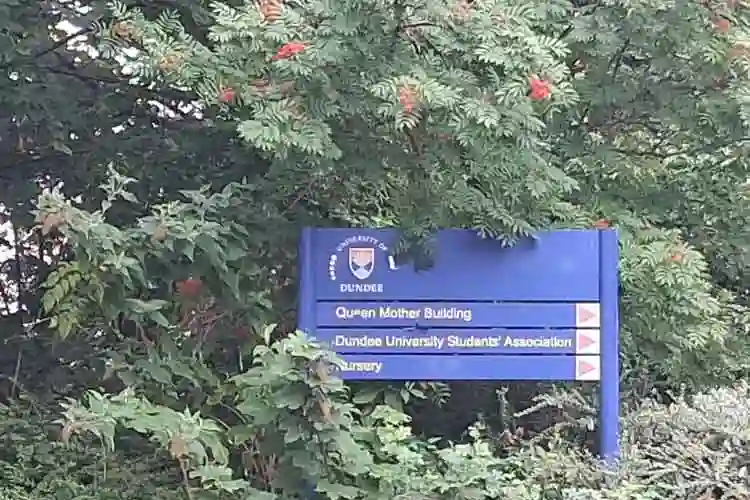
Two University of Dundee projects have been awarded seed funding through Scotland Beyond Net Zero (SBNZ) — a national programme connecting university researchers with policymakers, public organisations, and local communities. The SBNZ Seed Fund supports work that goes further than standard net zero targets, also addressing climate justice, nature recovery and biodiversity, and how communities can thrive in a sustainable future.

Both successful projects are joint partnerships with the University of St Andrews.


🟢 Blending Finance for Nature Restoration

Lead researchers: Professor Colin Dey (University of Dundee) and Dr Shona Russell (University of St Andrews)

Working alongside Bioregioning Tayside in the River Isla area, this project will look at how public, private, and charitable funding sources can be combined to support ecological restoration and strengthen community wellbeing. The team aims to develop approaches that are both environmentally beneficial and socially fair.


🟢 Community Resilience Through Open-Source Communications

Lead researchers: Dr Martin Skelly (Duncan of Jordanstone College of Art & Design, Dundee) and Dr Loraine Clarke (University of St Andrews)

Partnering with communities in Meigle and Ardler, this project will test and develop independent communication networks built on open-source technology. Designed to keep working during floods, power cuts, or mobile network failures, these systems will help local areas stay connected and better prepared for climate-related disruption.


🗣️ Project Leaders Welcome the Awards

Professor Lorraine van Blerk, Vice Principal for Research and Innovation at the University of Dundee, said:

“We are very pleased to see our researchers’ work supported by Scotland Beyond Net Zero. This is a fantastic opportunity to collaborate across Scottish institutions on vital issues — helping communities build resilience and shaping better policy for the future.”


ℹ️ About Scotland Beyond Net Zero

SBNZ brings together Scottish universities to pool research expertise and develop solutions that go beyond basic net zero goals. Its work is organised around six key themes: Built Environment, Energy, Finance, Food, Natural Systems, and Transport.

The Seed Fund provides grants of up to £15,000 per project, shared between collaborating university partners. Now in its third year, the 2026 round supports more projects across more institutions than ever before.

Professor Chris Pearce, Vice Principal at the University of Glasgow and Chair of the SBNZ Governing Board, commented:

“This year we have expanded our investment and reach. These projects show the breadth and quality of sustainability research across Scotland. We look forward to seeing real, lasting benefits for both communities and the environment.”

Future of Dundee Airport Hanging in the Balance Following Loganair Exit

Dundee Airport

Dundee Airport’s future hangs in the balance as Dundee City Council and aviation leaders seek urgent solutions following Scotland’s regional airline confirming it will end all local operations this autumn, leaving the city without commercial passenger flights.

Loganair will officially close its Dundee Airport operating base on October 23, 2026. The decision brings a end to the direct Public Service Obligation (PSO) route to London Heathrow—a service that has connected the city to the UK capital since 2014.

Alongside the London route, island connections to Kirkwall (Orkney) and Sumburgh (Shetland) will also cease.

Economic Strain & Sustainable Operations

The airline cited escalating operational costs, issues securing regional aircraft parts, and the financial unsustainability of the government-backed PSO contract as key reasons for the departure.

A spokesperson for Loganair confirmed that extensive reviews were conducted to find a viable path forward before taking the decision to withdraw.

  • Job Impacts: At least 16 direct Loganair jobs in Dundee are affected, with wider implications for airport operational, security, and fire services.
  • Regional Links: The loss severs a key direct route used by business travelers, academics, and tourists accessing the Tayside region.

What Lies Ahead for Dundee Airport?

While the departure marks the end of scheduled passenger services for the time being, the tarmac at Riverside Drive will remain active. The airport will continue operating to support:

  1. General Aviation & Private Charters: Servicing high-end golf tourism and private travel bound for St Andrews and Angus.
  2. Emergency & Lifeline Services: Operating as a hub for air ambulance and medical transfer flights.
  3. Flight Training: Supporting ongoing pilot training operations on the Tay.

Dundee City Council and regional transport partners have confirmed they are actively exploring alternative options with government stakeholders to secure long-term air connectivity for the city.

Lochee Community Cafe Closes Amid Safety Concerns

Lochee community cafe

The Lochee Community Café on Whorterbank has taken the difficult decision to temporarily close its community cafe space following a disturbing rise in serious antisocial behavior in and around the premises. Organisers reported that over several months, volunteers, staff, and neighboring residents faced unacceptable incidents, including drug use and suspected dealing, intimidation, violence, and targeted racist abuse.

Lochee Community Cafe

While the warm and welcoming social space has had to shut its doors to safeguard the well-being of its unpaid volunteers and visitors, the vital Community Larder remains open to assist local households with food access and essentials. Charity representatives are working closely with Police Scotland, local authorities, and community safety wardens to review security and put stronger measures in place before considering a future reopening of the cafe facilities. Local councillors and support networks have rallied around the larder operations, emphasizing how crucial the food-support service remains for the wider Lochee community, even as efforts are made to transition parts of the premises into secure meeting spaces for community groups.

“Local third-sector reporting and charity alerts on this site are compiled using media briefs, public data, and press releases sourced via Third Force News and the Scottish Council for Voluntary Organisations.” .

Threat to Dundee Botanic Garden Triggers Community Outcry.

Dundee Botanic Garden

DUNDEE — The future of the University of Dundee Botanic Garden hangs in the balance following news that the institution plans to cease operating the 9.5-hectare site on Riverside Drive as part of sweeping cost-cutting measures.

The proposal forms part of a strategy by the university to save £20 million annually amidst severe financial challenges and job losses across campus. While the university indicated it intends to withdraw from running the site by July 2027, the potential loss of the 55-year-old green space has drawn sharp criticism from residents, horticulturists, and local politicians.

Public Support for Dundee Botanic Garden

A public petition calling on the university and local leaders to save Dundee Botanic Garden and its café quickly gathered over 21,000 signatures. Supporters have described the garden as a vital educational, scientific, and community asset.

The site hosts rare and threatened plant collections, serves as an educational hub, and features the world’s first Covid-19 memorial, the Tree of Tranquility. Former staff, prominent horticultural groups, and government ministers have all voiced concern over losing the living scientific resource.

  • Community-Led Takeovers: Establishing a local trust or non-profit structure to manage operations at Dundee botanic garden independently of university funding.
  • Commercial Partnerships: Partnering with external leisure or horticultural operators to maintain both the gardens and the popular café.
  • Government & Stakeholder Engagement: Seeking support from national bodies and the Scottish Funding Council to facilitate a sustainable transition.

“It’s a wonderful place of genuine peace… to lose it would be a chipping away of the culture of Dundee.”

— Extract from community petition

Search for Alternative Solutions

The Scottish Government confirmed it is monitoring discussions, noting that while the university operates independently, ministers are keen to see a sustainable resolution for the site.

The university maintains that it remains open to dialogue regarding alternative operating structures before its planned exit date. Community organizers plan to host further public updates as proposals develop over the coming months.

World Cup Build-Up: Rampant Scotland Hit Four Past Bolivia

Scotland concluded their World Cup Build-Up preparations for their historic return to the world stage in emphatic style, dismantling Bolivia 4-0 in a blistering first-half display at the Sports Illustrated Stadium.

The World Cup

Following a 4-1 victory over Curaçao last week, Steve Clarke’s men proved they have well and truly found their goal-scoring touch just seven days before their highly anticipated World Cup opener against Haiti.

The First-Half Blitz

In the stifling heat and humidity of New Jersey, the Tartan Army didn’t wait long to ignite. The opening goal arrived after just five minutes. Ryan Christie picked out captain Andy Robertson on the left wing, and the skipper stood up a precise cross to the back post for Lawrence Shankland to power a textbook header past Bolivian goalkeeper Guillermo Viscarra.

The frontline partnership of Shankland and Che Adams looked fluid from the off, combining to double Scotland’s lead in the 20th minute. Shankland dropped deep to play provider, teeing up Napoli midfielder Scott McTominay, who fired a low, clinical drive into the bottom corner.

Bolivia simply had no answers for Scotland’s direct and forceful transitions. Che Adams took over the show before the break, turning a dominant performance into a rout:

  • 30th Minute: Adams converted a cross from the impressive young Ben Doak following brilliant build-up play by Aaron Hickey. The Independent
  • 44th Minute: Doak drove forward from inside his own half and slipped the ball to Adams. While his initial effort was blocked, the Torino striker instinctively rattled the rebound into the back of the net from 16 yards out. The Independent

Cruising to the Finish Line

With a 4-0 cushion established by halftime, Steve Clarke naturally took the opportunity to ring the changes in the second period. John McGinn, Kieran Tierney, and George Hirst were among a flurry of substitutions introduced to maintain fresh legs in the oppressive American weather.

While the changes understandably broke the rhythm of the match and capably curbed any thoughts of a fifth goal, Scotland remained firmly in control. Defensively, Angus Gunn was largely untroubled, preserving a vital clean sheet.

“For once, I got everything I asked for—no injuries, a performance, and a good result,” a delighted Steve Clarke told BBC Scotland post-match. “We spoke a lot this week about being more clinical, and the front two were good and complemented each other well. As we get to this stage, we’re as well prepared as we can be.”

The Road Ahead

Bolivia boss Oscar Villegas admitted his young side had been “taught a lesson” by a physically powerful and direct Scottish side. But for the travelling Tartan Army, it’s all systems go as they prepare to witness Scotland’s first World Cup match in 28 years.

With momentum high and the strikers firing on all cylinders, the Scots will travel to Boston next weekend to kick off their Group C campaign against a dangerous Haiti side.

Match Stats:

  • Goals: Shankland (5′), McTominay (20′), Adams (30′, 44′) The Independent
  • Scotland Lineup Highlights: Gunn; Hickey, Hendry, Souttar, Robertson (Tierney 46′); McTominay (McLean), Christie (McGinn 46′), Doak (Hirst 62′), Shankland (Stewart).

Fuel Shortages – Panic at Pumps

Fuel Shortages

DUNDEE – Motorists across Tayside are facing uncertainty as “fuel shortages” leave many petrol stations temporarily dry. Local officials and industry experts describe the situation as “volatile,” with supply chains struggling to keep pace with a sudden spike in consumer demand.

Fuel Shortages: A Logistics Crisis

Despite the sight of “Out of Use” signs at several major pumps, industry leaders stress that the UK is not out of fuel. Instead, Dundee is caught in the grip of logistics-driven fuel shortages.

According to the Petrol Retailers Association (PRA), the issue stems from a 30% to 40% surge in daily demand. While physical fuel stocks remain adequate at national terminals, the infrastructure of tankers and drivers is currently unable to refill underground station tanks fast enough to match the pace of the “panic-buying” cycle.

The “Grangemouth Gap”

The fragility of the current supply chain in Tayside has been linked back to the landmark closure of the Grangemouth Refinery in 2025. The loss of the facility stripped Scotland of 20% of its total fuel production capacity, leaving the region uniquely vulnerable.

Without a local refinery, Dundee and the surrounding areas now rely entirely on fuel imported via coastal terminals or transported via road from northern England. This shift has made the local supply chain significantly more sensitive to geopolitical tensions and sudden fluctuations in driver behavior.

“We are seeing a ‘now you see it, now you don’t’ pattern across the city,” said one industry analyst. “A station might be empty at noon but fully replenished by the evening. The problem is that as soon as the tanker leaves, the surge in demand clears the stock again within hours.”

Impact on Motorists

While the city is not facing a total blackout of fuel, the current fuel shortages has led to:

  • Congestion hotspots near major supermarket forecourts.
  • Increased lead times for public transport and delivery services.
  • Price volatility, as motorists flock to premium stations when budget options run dry.

Experts are urging drivers to maintain their normal refueling habits to allow the delivery network to stabilize. However, with supply lines stretched thin from the border to the Tay, the situation in Dundee is expected to remain “touch-and-go” through the remainder of the week.

Museum of Transport £2.7M Funding Boost

Museum of Transport

DUNDEE, SCOTLAND – The ambitious transformation of the historic Maryfield Tram Depot into the new permanent home for the Dundee Museum of Transport has shifted into high gear.

Following a successful funding review, the UK Government has more than doubled its initial commitment, providing a total of £2.7 million through the Community Regeneration Partnership. This major investment, combined with £1 million from the Scottish Government’s Regeneration Capital Grant Fund, clears the path for refurbishment work to begin immediately.


A Vision in Motion

The increased funding allows for the imminent appointment of a main contractor to oversee the restoration and fit-out of the 1901 and 1913 sections of the depot. This phase of the project is expected to take 12 months, creating a world-class facility ready for public debut.

Key highlights of the redevelopment include:

  • Restoration & Conservation: Preserving the architectural integrity of the Edwardian-era tram depot.
  • Community Hub: The creation of dedicated spaces for local use and temporary exhibitions in the heart of Stobswell.
  • Economic Impact: A significant boost to local tourism and job creation within the city.

Leadership Voices

“I am delighted that we have been able to significantly increase the allocation to the museum. I am grateful to both the UK and Scottish Governments for these major funds, which follow a dedicated lobbying campaign by the council based on our record of project delivery.” — Cllr Mark Flynn, Dundee City Council Leader

“This funding allows major work to start on this historic building. We are working to tell the story of Dundee’s transport heritage like never before. We will continue our fundraising efforts for final finishes and the restoration of the 1920s section, with a goal to open in the first half of 2027.” — Paul Jennings, Executive Director, Dundee Museum of Transport

Next Steps for the Museum

While the core structural work is now funded, museum leadership is maintaining a focused fundraising drive to cover final landscaping, the creation of a new permanent exhibition, and the restoration of the final 1920 building section.

The museum currently remains open to visitors at its temporary location in Market Mews until the Maryfield site is ready for its grand unveiling.

For more information and updates on the project, please visit the Dundee Museum of Transport website.

14 Years on a Waiting List: The Human Face of Dundee’s Housing Emergency

housing emergency

DUNDEE, Scotland — For Amy*, a mother of two and survivor of domestic abuse, the housing system wasn’t a safety net—it was a 14-year maze that left her family in limbo. Today, Shelter Scotland is using her story to demand that Dundee City Council stops ignoring the reality of a city-wide housing emergency.

Amy’s experience is not an isolated one. She is one of thousands caught in a crisis that has seen homeless applications in Dundee surge by 24% in the last year alone. More hauntingly, the latest figures show that 225 children in Dundee are currently waking up in temporary accommodation, often for months or years at a time.

A Housing System at Breaking Point

After 14 years on the Dundee council housing waiting list, Amy’s situation reached a breaking point in late 2024. Escaping domestic abuse, she sought help from the council, only to be met with a “financially crippling” series of hurdles.

“I was in floods of tears,” Amy said. “One of my children is autistic, and uprooting them so many times would have been upsetting. The area wasn’t safe… they don’t even leave the house. I was also told I’d have to pay rent for both my private let and temporary accommodation. I just couldn’t do that.”

It was only after contacting Shelter Scotland that Amy learned her housing rights in Scotland and was finally able to submit a homeless application in October 2025. “If I’d been given the right information from the start, we could have been moved earlier,” she said.

The Call for a Housing Emergency Declaration

In response to stories like Amy’s, Shelter Scotland has joined forces with local organizations to form the Dundee Housing Emergency Coalition. Together, they have launched the Housing Emergency Action Plan (HEAP)—a practical roadmap to fix the city’s broken housing system.

Shelter Scotland Director, Alison Watson, said: “Dundee is already living with the consequences of a housing emergency—whether politicians want to accept it or not. The cost of inaction is being paid by people already being pushed to the edge. The choice is simple: accept that Dundee is in a housing emergency and take the action needed to fix it, or continue to ignore the scale of the challenge.”

Link to report: Dundee Housing Emergency Action Plan